When Speaker Arrays Challenge Their Engineering Specifications
Structural Dissent at Volume
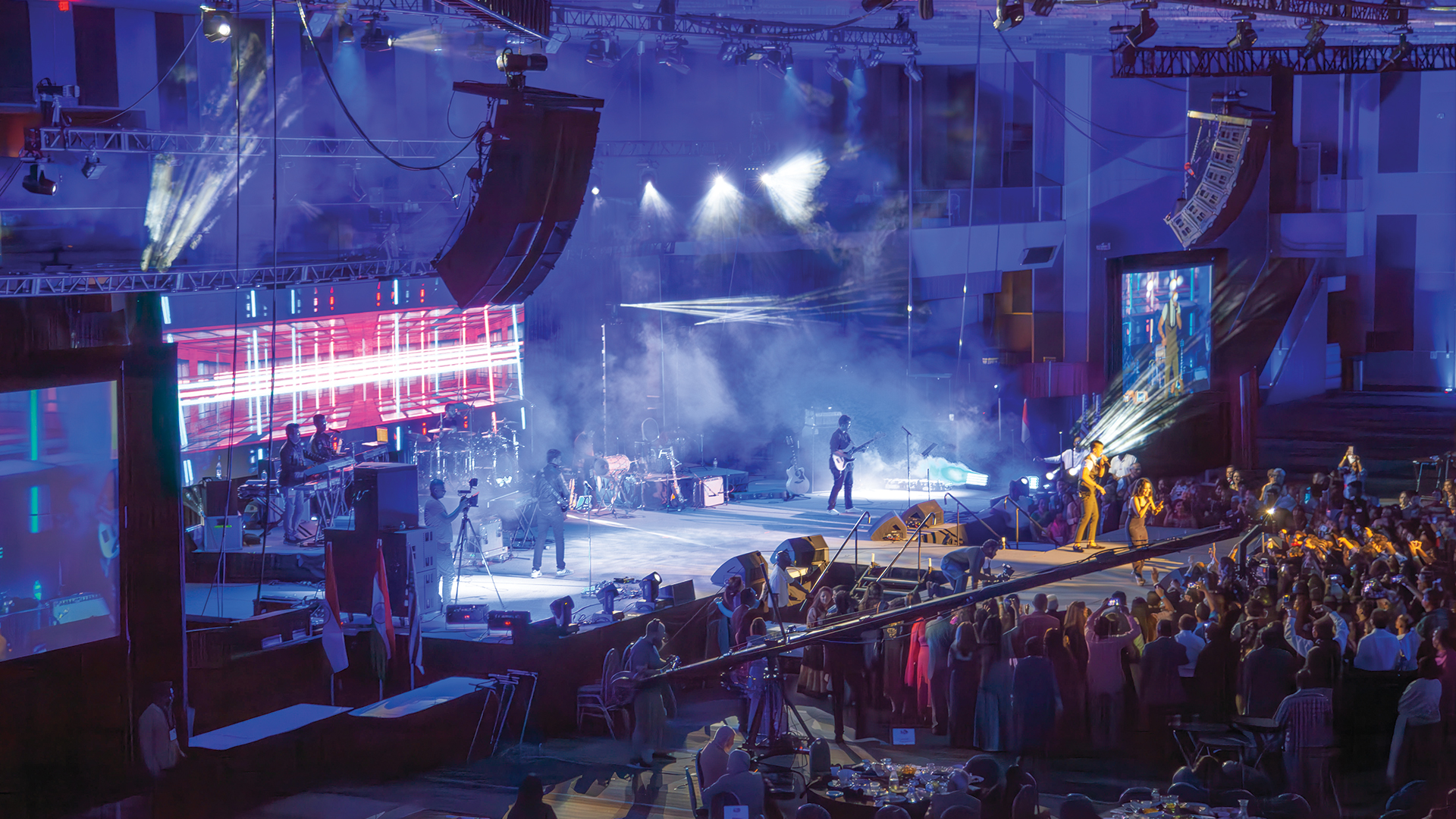
The massive line array systems that define modern concert sound represent remarkable engineering achievements: hundreds of speakers suspended from purpose-built structures, each calculating precise angles to deliver consistent coverage across venues holding tens of thousands of people. JBL VTX A12 systems and Meyer Sound LEO Family arrays achieve coverage specifications that seemed impossible a generation ago. Yet when conditions align against them, these engineering marvels occasionally decide to test their mounting hardware in ways that terrify everyone responsible for their continued suspension.
Speaker array structures experience complex forces that combine dead weight, dynamic forces from moving air, wind loads, and accumulated stresses from repeated deployment and rigging. The aluminum truss and chain motors that support these arrays are rated with generous safety margins, but those margins assume proper installation, appropriate load distribution, and equipment in serviceable condition. When any assumption fails, arrays that weigh thousands of pounds begin exploring structural limits in real-time.
Historic Array Incidents
The live sound industry has experienced array failures that range from minor corrections to catastrophic collapses. One legendary 1990s incident involved a Clair Brothers S4 array that developed progressive lean during a performance when rigging pins weren’t fully seated. Alert crew members noticed the increasingly visible tilt and evacuated the area below before complete failure occurred—a near-miss that influenced rigging protocols industry-wide.
Wind forces have caused some of the most dramatic array incidents. A 2014 outdoor festival experienced sudden wind gusts that caused a suspended d&b Audiotechnik J-Series array to swing like a pendulum, pulling against its rigging points with forces that exceeded static calculations. The array survived, but the structural damage required complete rigging inspection and partial replacement before the system could be safely redeployed. The incident highlighted the importance of dynamic load calculations for outdoor installations where wind cannot be eliminated as a factor.
The Physics of Array Stress
Understanding why PA towers threaten mutiny requires appreciating the forces involved. A typical concert array might weigh 15,000 pounds, suspended from multiple rigging points that distribute load according to angular calculations. Bumper frames at array tops connect to rigging motors through shackles and steel cables rated for specific working loads. The safety factor applied to these components—typically 5:1 or higher for overhead loads—exists precisely because failure consequences are catastrophic.
Vibration fatigue affects rigging hardware over time. Components experience millions of stress cycles from the acoustic energy they’re designed to produce, and microscopic cracks can develop that aren’t visible during standard inspections. Non-destructive testing protocols from NATE (National Association of Tower Erectors) standards have been adapted for entertainment rigging, but comprehensive testing remains rare due to time and cost constraints. The industry often learns about fatigue failures through incidents rather than preventive detection.
Motor Control and Safety Systems
Chain hoist motors from manufacturers like CM Lodestar and Protos include multiple safety systems designed to prevent uncontrolled descent: load brakes that engage automatically if motor power fails, limit switches that prevent over-travel, and overload protection that stops operation when lifted weights exceed rated capacity. Modern motor controllers from SRS and Kinesys add networked monitoring that allows real-time load tracking across complex rigging systems.
Despite these safeguards, motor-related incidents occur. Brake failures, while rare, have caused controlled descents to become uncontrolled. Limit switch bypasses installed for legitimate operational reasons have allowed travel beyond safe ranges. Overload sensors that aren’t properly calibrated can either prevent legitimate operations or fail to detect dangerous conditions. The safety systems are only effective when properly installed, configured, and maintained—requirements that busy production schedules sometimes compromise.
Ground Support Alternatives
Ground support structures eliminate overhead suspension risks by mounting arrays on towers built from the floor rather than suspended from venue ceilings. Mega-Truss and Super-Truss systems from manufacturers like Tomcat and MILOS provide platforms for speaker arrays that rival flown systems in height while avoiding the overhead rigging considerations that create suspension risks. These structures introduce different failure modes—foundation failure, wind-induced oscillation, tower deflection—but remove the immediate consequence of falling objects that makes suspended array failures so dangerous.
The economics of ground support versus flown arrays favor suspension for most indoor venues: flown systems require less floor space, faster installation, and reduced labor costs. Yet the increasing size and weight of modern arrays—some configurations exceed 30,000 pounds—push practical limits of venue rigging infrastructure originally designed for lighter loads. This tension between capability demand and infrastructure limits creates the conditions that occasionally manifest as arrays challenging their engineering specifications.
Future Safety Developments
Load monitoring technology continues advancing, with Broadweigh and similar systems providing real-time weight data from every suspension point. IoT sensors can detect vibration patterns that indicate developing structural problems. Predictive maintenance algorithms analyze historical data to identify components likely to fail before visible degradation occurs. These technologies promise earlier warning of potential problems, though they supplement rather than replace the fundamental principles of conservative load ratings, proper hardware selection, and competent installation that keep arrays safely suspended show after show.
