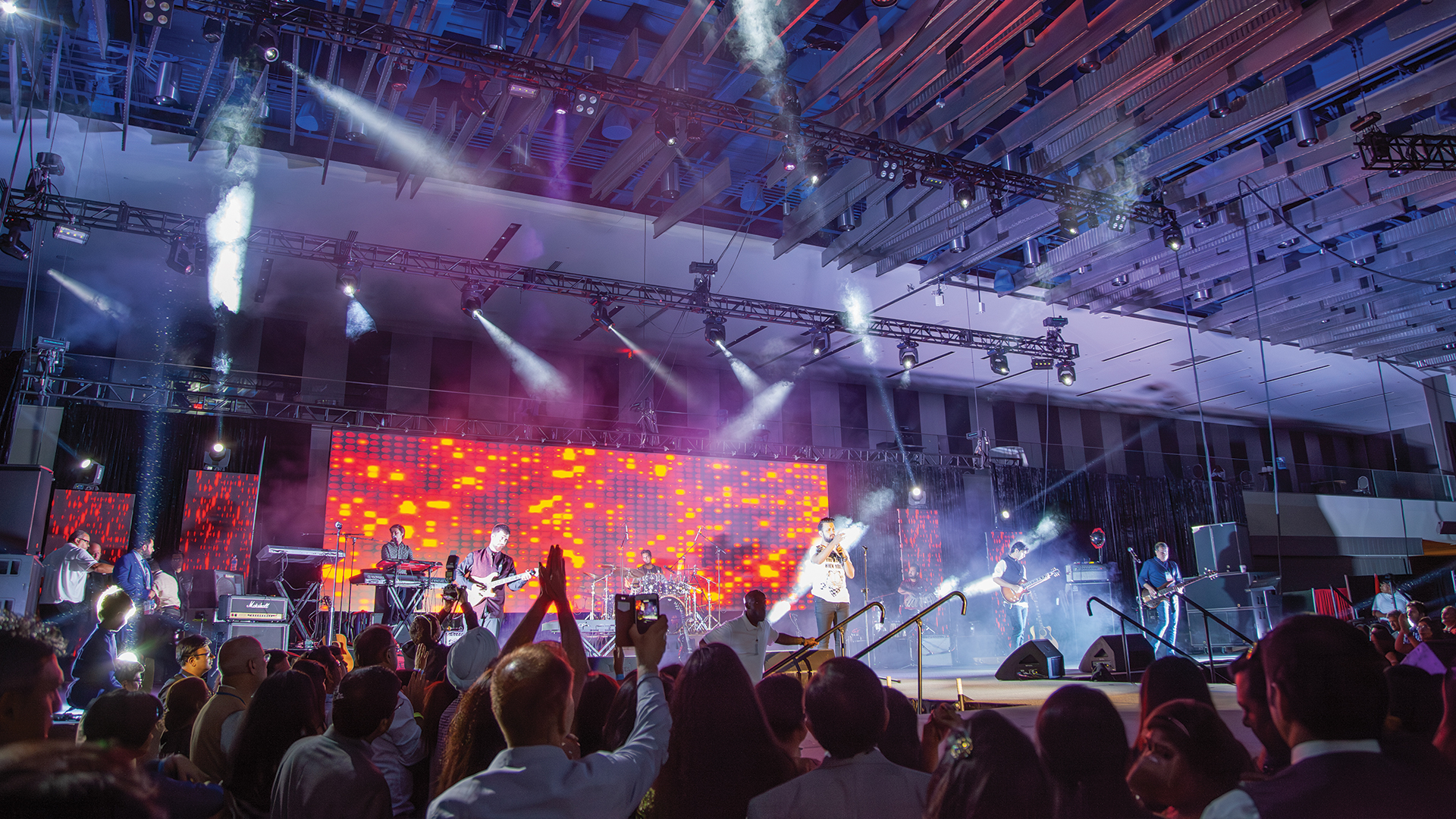
Every seasoned AV production veteran has encountered them—those temperamental spotlights that decide mid-performance they’re the real stars of the show. These luminous divas have torpedoed countless live events, transformed rehearsals into therapy sessions, and given lighting technicians stories that would make Broadway veterans weep. Welcome to the chaotic, brilliant, absolutely maddening world of spotlight drama.
The Historical Roots of Spotlight Temperament
Before we dive into modern tantrums, consider this: the limelight era of the 1820s introduced calcium oxide heating to theatrical production, creating the first genuinely dangerous spotlight technology. Thomas Drummond’s invention didn’t just illuminate stages—it occasionally exploded. The unpredictability was literally baked into spotlight DNA from day one. Fast forward to the carbon arc spotlights of the early 20th century, which required operators to manually adjust electrodes while the unit ran at temperatures exceeding 6,000 degrees Fahrenheit. These weren’t tools; they were negotiations with chaos.
The introduction of HMI (Hydrargyrum Medium-arc Iodide) fixtures in the 1970s brought incredible color rendering and intensity to film and television production. However, these sophisticated units also brought sophisticated problems. The ballast systems required to operate HMI lights became notorious for developing personalities of their own, flickering at precisely the wrong moment during crucial takes.
Modern Divas: LED and Moving Head Mayhem
Today’s LED spotlights and moving head fixtures have brought unprecedented control to stage lighting—along with unprecedented opportunities for equipment rebellion. The Martin MAC Viper Profile, a workhorse of professional touring, has been known to decide mid-show that its gobo wheel needs a vacation. The Robe BMFL Spot, despite its impeccable German engineering, occasionally interprets DMX signals as gentle suggestions rather than commands.
One lighting designer shared a notorious incident from a major corporate event in Las Vegas. The venue had rigged thirty-two Clay Paky Sharpy Plus units for a product launch. During the CEO’s keynote, fixture number seventeen decided to perform its own choreography, sweeping across the audience in slow, majestic arcs while completely ignoring its programmed position. The grandMA3 console showed correct output. The fixture simply disagreed with reality.
The Firmware Factor
Here’s where things get genuinely interesting. Modern intelligent lighting runs on firmware—software embedded in the fixture itself. When High End Systems releases a firmware update for their SolaFrame Theatre series, it might fix six bugs while introducing two new ones nobody anticipated. Production companies have learned to schedule firmware updates like military operations—never before a show, always with rollback plans, preferably with a qualified therapist on standby.
The interaction between lighting consoles and fixtures creates another layer of potential drama. An ETC Eos console might execute commands flawlessly, but if the RDM (Remote Device Management) protocol encounters a communication hiccup, fixtures start making autonomous decisions. One Colorado theater documented a case where their Chauvet Professional Maverick MK3 Profiles spontaneously readdressed themselves during intermission, creating a lighting cue apocalypse for Act Two.
Temperature Tantrums and Environmental Triggers
Spotlights are environmental divas. The thermal management systems in modern fixtures operate within specific parameters, and venues that push outside those parameters invite spectacular failures. A Vari-Lite VL6500 Wash operating in a tent venue during a Texas summer might decide its color mixing system needs a break, defaulting to an unexpected amber that turns every carefully planned white balance into a sepia nightmare.
Humidity presents equally dramatic challenges. Professional follow spots like the Robert Juliat Merlin or Lycian 1293 contain precision optics that fog in high-humidity environments. One outdoor festival in Louisiana reported their entire follow spot complement developing what operators dubbed “swamp vision”—a soft, ethereal quality that was absolutely not in the show design.
Power Quality: The Silent Saboteur
Dirty power transforms well-behaved spotlights into unpredictable artists. Voltage fluctuations as small as 5% can cause LED drivers to flicker or arc lamp fixtures to restrike unpredictably. The introduction of dimmer racks from manufacturers like ETC Sensor3 and Strand CD80 helped stabilize power delivery, but venue infrastructure remains wildly inconsistent. One Broadway electrician maintains a database of venues ranked by power quality—information more valuable than gold to touring productions.
Practical Strategies for Spotlight Management
Surviving spotlight drama requires preparation, redundancy, and philosophical acceptance. Start with pre-production testing—not just power-on verification, but full range-of-motion testing for every fixture. Programs like WYSIWYG and Vectorworks Spotlight allow designers to pre-visualize shows, but physical testing remains irreplaceable.
Build redundancy into critical positions. If a keynote speaker requires a dedicated follow spot, deploy two units. The rental cost of backup equipment pales against the reputation damage of spotlight failure during a live broadcast. Major production companies like PRG, 4Wall Entertainment, and Christie Lites maintain spare fixture inventories specifically because they understand spotlight psychology.
Document everything. When a fixture misbehaves, record the circumstances: ambient temperature, show runtime, DMX universe configuration, power source details. Patterns emerge over time, and those patterns inform purchasing decisions and maintenance schedules. The industry’s collective knowledge about spotlight reliability comes from thousands of documented failures.
Embracing the Drama
Perhaps the ultimate wisdom in AV production is accepting that spotlights will always retain some measure of independence. These aren’t passive tools—they’re complex electromechanical systems operating at the edge of their capabilities in environments never designed for them. The gaffer who approaches each show expecting perfection will burn out. The professional who plans for drama, builds in contingencies, and maintains humor when fixture seventeen decides to freestyle—that’s the one who builds a sustainable career.
Every spotlight tantrum becomes a story, and stories build community. The next time your ETC Source Four LED Series 3 decides it needs a moment, remember you’re participating in a tradition stretching back to Thomas Drummond’s explosive calcium oxide experiments. The technology has evolved, but the drama—the beautiful, frustrating, absolutely human drama—remains eternal. In live production, the spotlight always gets its moment. Sometimes that moment just isn’t the one you planned.
