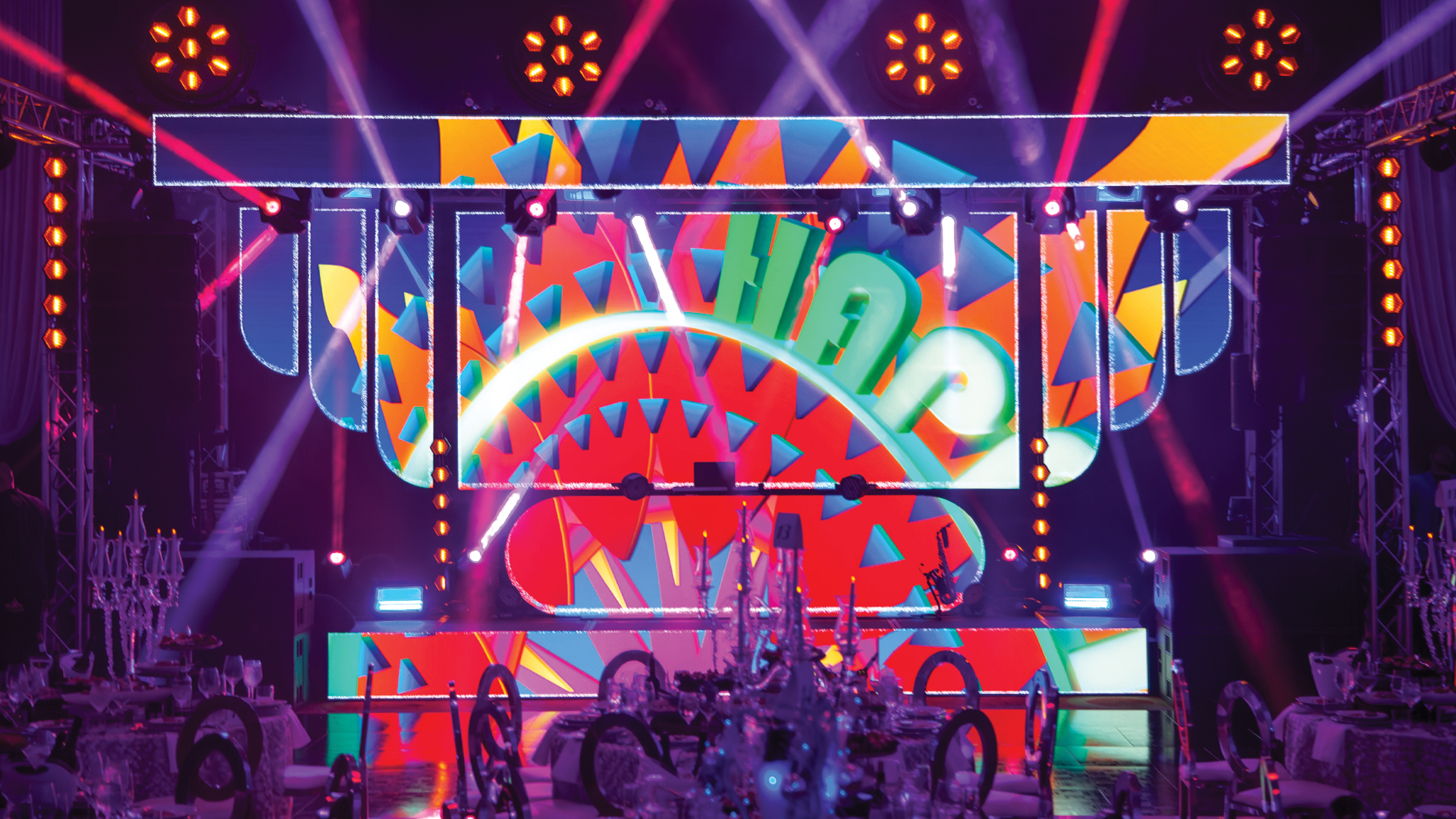
Concert halls, theatres, and nightclubs present cinematographers with conditions that expose every weakness in optical systems. Lens issues in dark venues manifest as flares that destroy dramatic moments, focus hunting that misses critical shots, and aberrations that transform beautiful lighting into ugly artifacts. Understanding these challenges and implementing proven solutions separates professionals delivering broadcast-quality footage from those struggling with unusable results.
The Optical Challenges of High-Contrast Environments
Dark venues typically combine vast blackness with intensely bright point sources—the worst possible scenario for optical systems. Moving lights, laser effects, and LED fixtures create specular highlights exceeding 15 stops above shadow detail. This extreme dynamic range stresses even premium cinema glass, revealing flaws invisible in evenly-lit environments.
Light striking lens elements at acute angles generates internal reflections that appear as flare artifacts. Complex multi-element lenses contain numerous air-glass surfaces where reflections originate. Coatings reduce but cannot eliminate these reflections. The geometric patterns of flare hexagonal shapes from aperture blades, colorful streaks from anamorphic elements depend on optical design and shooting conditions.
Atmospheric effects common in live entertainment haze, fog, pyrotechnics scatter light throughout venues. This light scattering reduces contrast, adds veiling flare across entire images, and can trigger autofocus confusion. The same atmospheric effects that create dramatic lighting looks complicate the camera work documenting those looks.
Lens Selection for Low-Light Performance
Fast lenses with wide maximum apertures gather more light but introduce optical compromises. Shooting a Zeiss Master Prime wide open at T1.3 reveals soft corners, focus breathing, and aberrations that disappear at T2.8. Productions must balance light gathering capability against image quality degradation at extreme apertures.
Modern cinema zooms like the ARRI Signature Zoom or Fujinon Premista series achieve remarkable wide-aperture performance, but still cannot match prime lens light transmission. The flexibility of zooms in fast-paced live environments often outweighs the fractional stop advantage of primes.
Consider spherical versus anamorphic characteristics when selecting lenses. Anamorphic glass produces distinctive horizontal flares that many cinematographers find aesthetically pleasing, but these same characteristics create more pronounced streaking from point sources in dark venues. Choose based on desired visual style rather than assuming one approach universally superior.
Focus Strategies in Low Light
Autofocus systems struggle in dark venues where contrast-detection algorithms cannot find edges. Phase-detection autofocus performs better but still hunts when subjects move unpredictably against dark backgrounds. Most professional event coverage relies on manual focus with carefully planned techniques.
Follow focus systems with witness marks enable repeatable focus positions for predictable blocking. Camera operators working with first assistants establish focus marks during rehearsals, pulling to predetermined positions during performances. This systematic approach eliminates hunting while maintaining sharp subjects.
Deep focus techniques reduce critical focusing demands. Stopping down to T4 or T5.6 expands depth of field, keeping subjects acceptably sharp despite minor focus errors. This approach requires either more camera gain, higher ISO, or additional lighting—each with its own tradeoffs.
Focus peaking displays built into cameras like Sony Venice or RED V-Raptor assist manual focusing by highlighting in-focus edges. Calibrate peaking sensitivity for dark environments settings appropriate for daylight shooting may fail to register dim subjects.
Managing Flare in Production
Strategic lens shading blocks light sources from striking front elements at problematic angles. French flags and barn doors positioned to cast shadows on lens surfaces reduce flare without affecting frame composition. Experienced camera operators constantly adjust shading as shooting positions change.
Matte boxes with proper bellows extensions provide continuous lens shading that moves with camera repositioning. Ensure bellows completely seal against light leakage even small gaps admit light that causes flare. Check seals regularly as bellows materials degrade with use.
Sometimes embracing flare serves productions better than fighting it. Controlled flare adds energy and atmosphere appropriate to concert footage. The key involves making flare a deliberate creative choice rather than an uncontrolled accident—easier said than done in chaotic live environments.
Cleaning and Maintenance Protocols
Dust, fingerprints, and atmospheric residue on lens surfaces dramatically increase flare in low-light conditions. Establish rigorous lens cleaning protocols before every shooting session. Use proper optical cleaning materials microfiber cloths, lens cleaning solution designed for coated optics, and air blowers rather than canned air that may deposit propellant residue.
Inspect rear elements as carefully as front surfaces. Contamination anywhere in the optical path causes problems, but rear element issues often escape notice during routine checks. Develop the habit of examining both ends before mounting lenses.
Internal contamination requires professional cleaning. Haze from outgassing adhesives, fungus growth in humid environments, or lubricant migration onto elements cannot be addressed in the field. Budget for periodic professional lens servicing when shooting frequently in challenging environments.
Sensor and Camera Considerations
Lens performance interacts with sensor characteristics in dark venues. Large-format sensors like those in ARRI LF cameras demand lenses covering their larger image circles glass designed for Super 35 vignettes unacceptably on full-frame sensors. Match lens coverage specifications to camera formats precisely.
High ISO performance varies dramatically between cameras. Modern sensors achieve remarkable sensitivity—the Sony Venice 2 delivers usable images at 2500 ISO—but pushing ISO introduces noise that interacts poorly with compression. Test specific lens and camera combinations at planned ISO settings before committing to production approaches.
Internal camera flare from sensor reflections compounds lens-induced artifacts. Light striking sensors reflects back toward rear lens elements, creating ghost images. Some manufacturers apply anti-reflective treatments to sensor cover glass, reducing this effect.
Post-Production Mitigation Options
When production techniques cannot eliminate problems, post-production tools offer rescue options. DaVinci Resolve and similar grading platforms include tools for reducing flare intensity, recovering clipped highlights, and managing high-contrast scenes.
Tracking and paint tools can remove specific flare artifacts frame by frame, though this labor-intensive approach becomes impractical for extensive problems. Budget post time realistically when shooting conditions guarantee flare issues.
HDR workflows preserve more highlight detail than standard dynamic range, providing more information for colorists managing extreme contrast. Shooting RAW formats maintains maximum latitude for post-production manipulation. These technical choices made during production determine what’s possible in post.
Mastering lens issues in dark venues requires combining technical knowledge with practical experience. Understanding optical phenomena enables informed decisions about equipment selection and shooting techniques. Systematic approaches to focus, flare management, and equipment maintenance transform challenging conditions from production nightmares into opportunities for distinctive visual storytelling.
