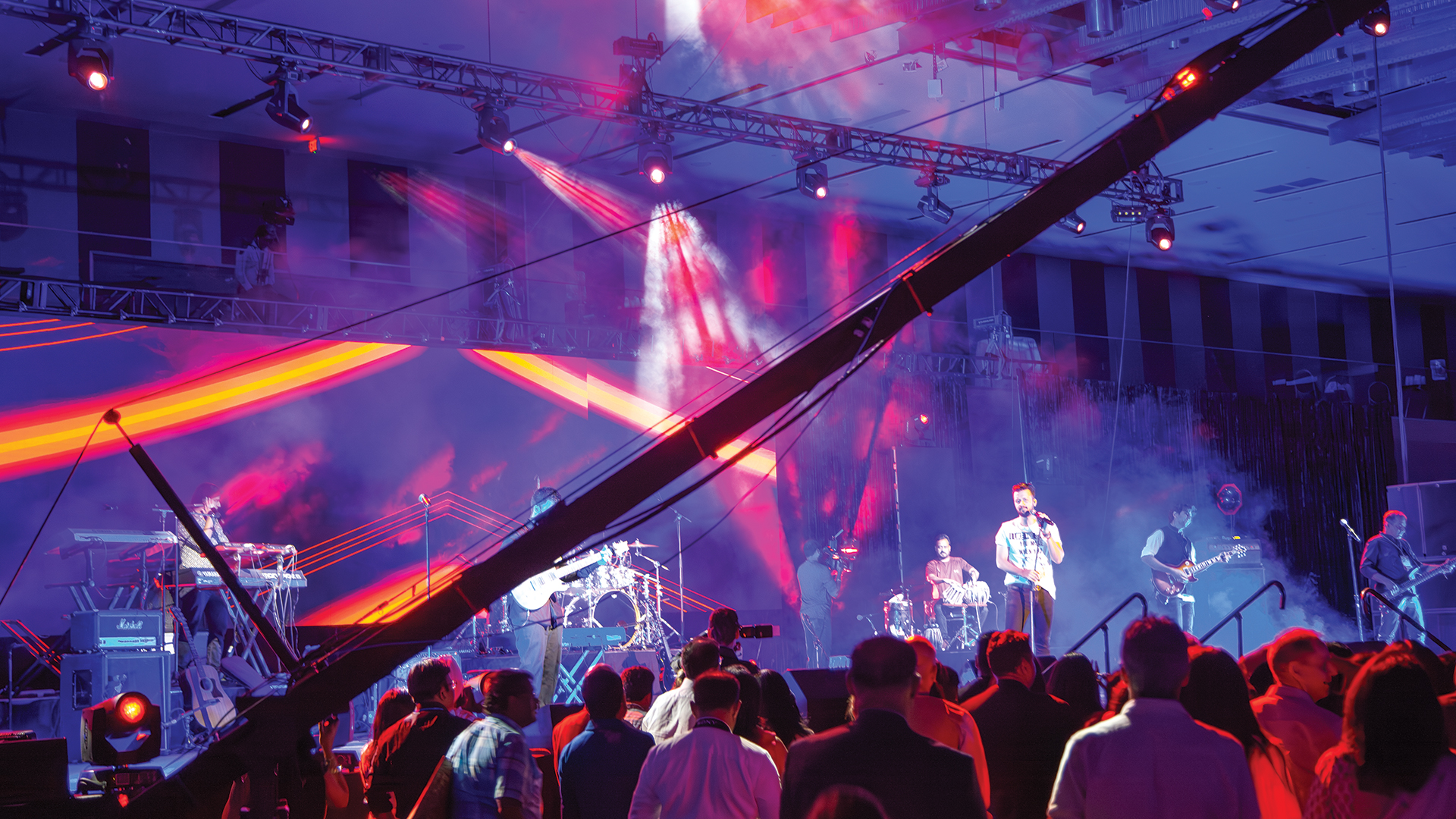
A JBL PA system loaded into a stadium in Riyadh in July endures ambient temperatures that approach 50°C on the apron of the stage. Three months later, the same touring hardware might be in a Minneapolis winter stadium during an outdoor festival where wind chill pushes effective temperatures below -20°C. The thermal envelope these systems must survive — while delivering consistent, broadcast-quality audio performance at every point in the range — represents one of the most rigorous mechanical and acoustic engineering challenges in professional sound reinforcement.
JBL’s Engineering Heritage: Built for the Field
James B. Lansing founded his first transducer company, Altec Lansing, in 1941, and the lineage that became JBL Professional was spun off in 1946. The early decades of JBL’s commercial life were defined by cinema and theatre sound reinforcement — applications that demanded reliability and longevity above all else. By the time the live touring market exploded in the 1970s with acts like The Who and Led Zeppelin requiring stadium-scale PA systems, JBL’s engineering culture was deeply embedded with real-world durability as a non-negotiable product value.
The JBL VTX Series — currently the brand’s flagship touring product line — carries that engineering philosophy into modern deployments. The VTX A12 line array enclosure uses a birch plywood cabinet construction with ABS touring baffle and perforated steel grille, designed to survive the mechanical abuse of 100+ show tours without acoustic degradation. The transducers inside — JBL 2447H compression drivers and custom neodymium woofer assemblies — are selected for thermal stability as much as acoustic performance.
The Physics of Temperature and Transducer Performance
Temperature affects loudspeaker transducer performance through several mechanisms simultaneously. The voice coil resistance of a woofer driver increases with temperature — approximately 0.4% per degree Celsius — which reduces the effective damping factor and shifts the low-frequency resonance of the driver. At 50°C, a driver designed for 20°C operation may exhibit 12% higher voice coil resistance, measurably affecting its LF extension and power handling.
In extreme cold, spider and surround compliance — the mechanical suspension elements controlling driver motion — stiffen significantly. A driver operating at -20°C may exhibit suspension compliance 40–60% lower than at 20°C, raising the resonant frequency and reducing maximum linear excursion. This is why sound engineers on winter outdoor productions notice reduced bass extension during early soundcheck: the system literally performs differently in cold conditions until transducers warm up from self-generated heat under moderate drive levels.
Amplifier performance is equally temperature-sensitive. Class D amplifier topologies — now dominant in professional touring due to their efficiency advantages — use MOSFET switching devices whose gate threshold voltage and switching characteristics shift with temperature. Platforms like the Lab.gruppen PLM 20000Q and Crown iTech 5000HD incorporate thermal compensation algorithms in their DSP that adjust operating parameters to maintain consistent output characteristics across their rated thermal operating range — typically -10°C to +45°C for commercial touring products.
Stadium-Specific Challenges: Concrete, Steel, and Thermal Mass
Stadium acoustic environments present additional thermal complications. The massive thermal mass of concrete and steel stadium structures means that the acoustic environment changes significantly over the course of a day as the structure heats or cools. Sound absorption coefficients for common construction materials change with temperature and humidity, meaning a system aligned to the venue at morning soundcheck operates in a measurably different acoustic environment by showtime. Experienced system engineers make progressive measurement and adjustment passes throughout the day — typically at soundcheck, after support acts, and before the headline performance — to track these drift effects.
Outdoor stadium shows add atmospheric effects to the thermal challenge. Temperature inversions — where cooler air at ground level is capped by warmer air above — create acoustic refraction effects that bend sound waves in unexpected directions, sometimes producing unexpectedly loud zones at considerable distance from the stage and dead zones at positions that should theoretically be within coverage. These effects are particularly pronounced in desert stadium environments like those in Las Vegas, Dubai, and Phoenix — exactly the markets driving growth in premium live entertainment.
JBL Rigging and Safety Hardware in Temperature Extremes
Beyond the transducers themselves, the rigging hardware connecting JBL VTX Arrays to overhead truss must maintain rated load capacity specifications across the same temperature range. Steel expands and contracts measurably with temperature — a 10-metre steel truss section changes approximately 1.2mm in length per 10°C temperature shift. This is why rigging inspections on outdoor stadium shows include checks on shackle pins, motor chain tension, and beam clamp torque at both the beginning and end of load-in, particularly in environments where temperature swings exceed 20°C between morning and afternoon.
The JBL VTX rigging frame system uses aerospace-grade aluminium alloy components rated at twice the working load limit required for certification, providing a substantial thermal derating margin. However, the rigging hardware connecting JBL systems to third-party truss — Shackles, Spansets, Omega links — is only as reliable as the inspection and certification practices of the production company deploying it.
Practical Field Protocols for Extreme Climate Deployments
Productions operating in extreme thermal environments have developed specific field protocols that represent the current industry best practice. Amplifier racks are brought to temperature-controlled environments 4–6 hours before load-in to allow electronics to stabilise. Subwoofer cabinets stored in hot trucks are allowed a 30-minute acclimatisation period before driving. Measurement passes are scheduled for the actual showtime temperature rather than soundcheck temperature. Power distribution circuits are sized for maximum current draw at maximum ambient temperature, accounting for reduced cable ampacity in hot conditions.
These protocols reflect decades of accumulated hard experience — shows where amplifiers tripped on thermal protection at critical moments, where bass disappeared from a system that was simply too cold, where rigging hardware failed inspection due to thermal cycling fatigue. The professionals who carry this knowledge are the true inheritors of JBL’s engineering heritage.
