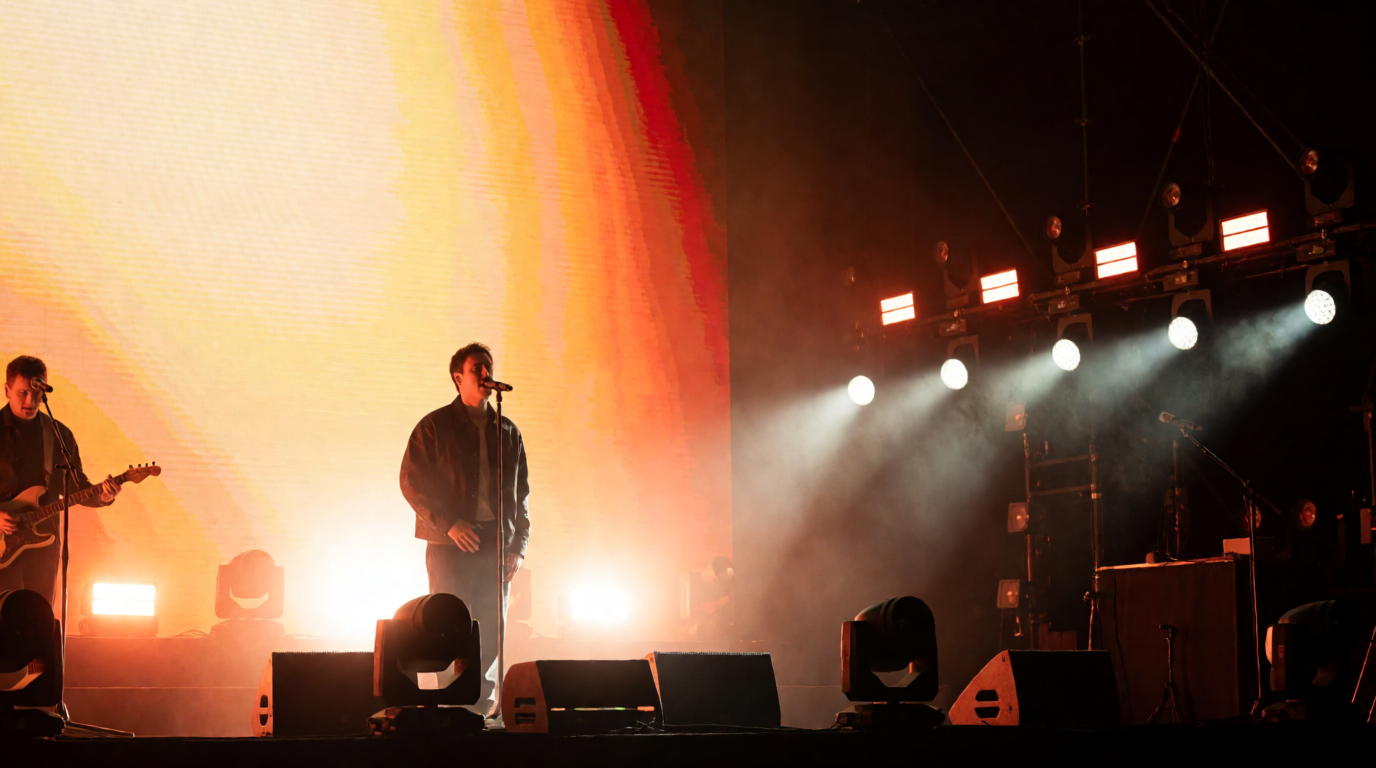
Every touring production eventually meets the diva, and in the modern era the diva is rarely the singer. It is the LED wall: gorgeous, expensive, temperamental, and utterly convinced that the room should be arranged around its needs. It wants cool air, clean power, gentle handling, a quiet network and a very specific lighting environment. If it does not get them, it sulks, flickers or turns magenta. This composite story treats the wall as the diva it is and offers a rider you can actually use.
Diva Demand One: Climate Control
Divas hate temperature extremes, and LED panels are no exception. High ambient heat triggers thermal derating, quietly lowering brightness to protect the electronics, while cold start-up can cause slow warm-up color drift until the panels stabilize. Manufacturers such as ROE Visual, Absen, Unilumin and Barco publish operating temperature ranges, and the wise rental house reads them.
Practical tip: power the wall up thirty minutes before calibration or a camera check, so it reaches thermal equilibrium. Keep processors and power supplies ventilated, and shade the wall from direct sun when outdoors. A diva that is comfortable performs flawlessly, and one that is cooked will tell the whole audience.
Diva Demand Two: Clean Power
The wall is a sensitive creature on the electrical side. Voltage sag, ground noise and dirty power show up as flicker, banding and random cabinet resets. Isolate the wall’s power from dimmer circuits, put processors on a UPS, and use distribution from Motion Labs or comparable brands with clean, labeled feeds.
Plan the power loop with the manufacturer’s calculator, balancing cabinets across phases. A full-white test pattern on a large wall can draw enormous current, so avoid slamming it at maximum brightness during checks. Many crews use a power sequencer or staged startup to avoid inrush surprises, treating the wall’s wake-up as a ceremony.
Diva Demand Three: A Dedicated Dressing Room (the Processor Rack)
The brain of the wall lives in the processor rack, and divas need their handlers. Brompton Technology Tessera processors, Novastar controllers and Megapixel VR Helios systems each have a different personality, and the wall will behave according to its management. Keep firmware versions consistent, label every Ethernet and fiber link, and bring spare receiving cards.
Store the configuration files on two drives. A processor replacement mid-tour should be a fifteen-minute swap, not a three-hour reconstruction. Use NovaLCT or Tessera software to export presets before every leg of the tour, and note the brightness and gamma settings in the show file.
Diva Demand Four: Flattering Light
Divas hate harsh lighting. Ambient light and stage spill wash out an LED wall’s black levels, making the picture look gray. A COB (chip-on-board) panel with a matte surface resists glare better than a glossy SMD surface, and tilting the wall slightly can bounce stray light away from the audience.
Coordinate with the lighting designer. Keep front light off the wall face with careful shuttering, and use flags or top hats on fixtures. A common tactic is to lower wall brightness to a level that supports contrast rather than fighting spill, a trick used constantly on camera shows where IMAG feeds must stay pristine.
Diva Demand Five: A Gentle Hand
Handling destroys more panels than weather. LED modules have fragile LED packages and magnetic masks, and a dropped cabinet corner may crack the frame or shift the alignment. Cabinet locks, pin alignment and rigging hardware deserve training, and a trained wall crew installs panels faster than a rushed one.
Use panel carts and protective caps, and never stack cabinets face-down on rough surfaces. A face-guard of foam or corrugated plastic during transport costs a few dollars and saves a module. Rental companies track damage waivers, and a rigorous inspection log makes disputes shorter and friendlier.
History: The Original Diva
The wall’s ancestors were divas too. The Diamond Vision screen at Dodger Stadium in 1980, built by Mitsubishi, was a cathode-ray marvel that required careful maintenance, and Sony’s Jumbotron at Expo ’85 captivated visitors in Tsukuba. When Shuji Nakamura’s blue LED breakthrough in the early 1990s made full-color LED video possible, touring pioneers jumped. U2’s Zoo TV in 1992 and PopMart in 1997 pushed large-format video into the spotlight, and each innovation brought a fresh set of demands.
Today’s high-density walls, from fine-pitch 1.5mm panels to rugged outdoor ROE Black Pearl and Carbon series, are lighter and brighter, but the diva spirit survives. The more spectacular the display, the more careful its handlers must be.
Diva Demand Six: Perfect Content
A diva reveals every flaw in the script. Poor content shows up as banding, moiré, compression artifacts and awkward safe zones. Treat the wall as a precise canvas: deliver content at native resolution, use 10-bit color where possible, and avoid heavy H.264 compression on critical sequences.
Create content in After Effects or Cinema 4D, render in Notch LC or HAP, and play through disguise, Resolume Arena or Pixera. Test gradients at full screen, because the wall will punish low-bit-depth footage with ugly stepping. A content producer who respects the wall earns a gorgeous result.
The Diva Rider: A Practical Template
Write your own LED wall rider and include it in every proposal. List the ambient temperature range, the power requirements with phase and amperage, the network specification, spare ratio (a common target is five to ten percent spare modules), camera sync needs and handling rules. Require a calibration visit before opening night, and specify who can operate the processor.
Clients who see the rider understand that the wall is a premium instrument. The document sets boundaries, protects the vendor and builds credibility. Divas are expensive to manage, but they are worth it when the house lights go down and the screen blooms.
What the Diva Costs, and Who Pays
A well-managed wall is profitable, a neglected one is a liability. Calculate cost per show day including power, transport cases, technician time, spare modules and depreciation, then compare it to the day rate. Many rental houses discover that fine-pitch walls with heavy handling needs earn less than rugged outdoor panels. Use that data to decide which products to buy next. Add a handling surcharge for rough environments, and require the client’s insurance certificate to cover the equipment while it is in their care. Divas deserve respect, and respect has a price.
A Quick Opening-Night Wall Checklist
Power up early, run a white and gray ramp to find weak modules, check camera sync if shooting, confirm processor presets, verify backup processor failover, and photograph the finished layout. Sign it off with the technician’s initials. Five minutes of ritual keeps the diva calm.
How the Diva Behaved on Opening Night
In our composite show, the crew powered the wall early, calibrated at a stable temperature, shielded it from spill and fed it clean content. It performed beautifully. The only drama was a late-night request to brighten the opening video, which the video director politely declined, citing the diva’s thermal curve. The client nodded, the singer glowed, and the diva received the best review it could ask for: a night with no complaints.
