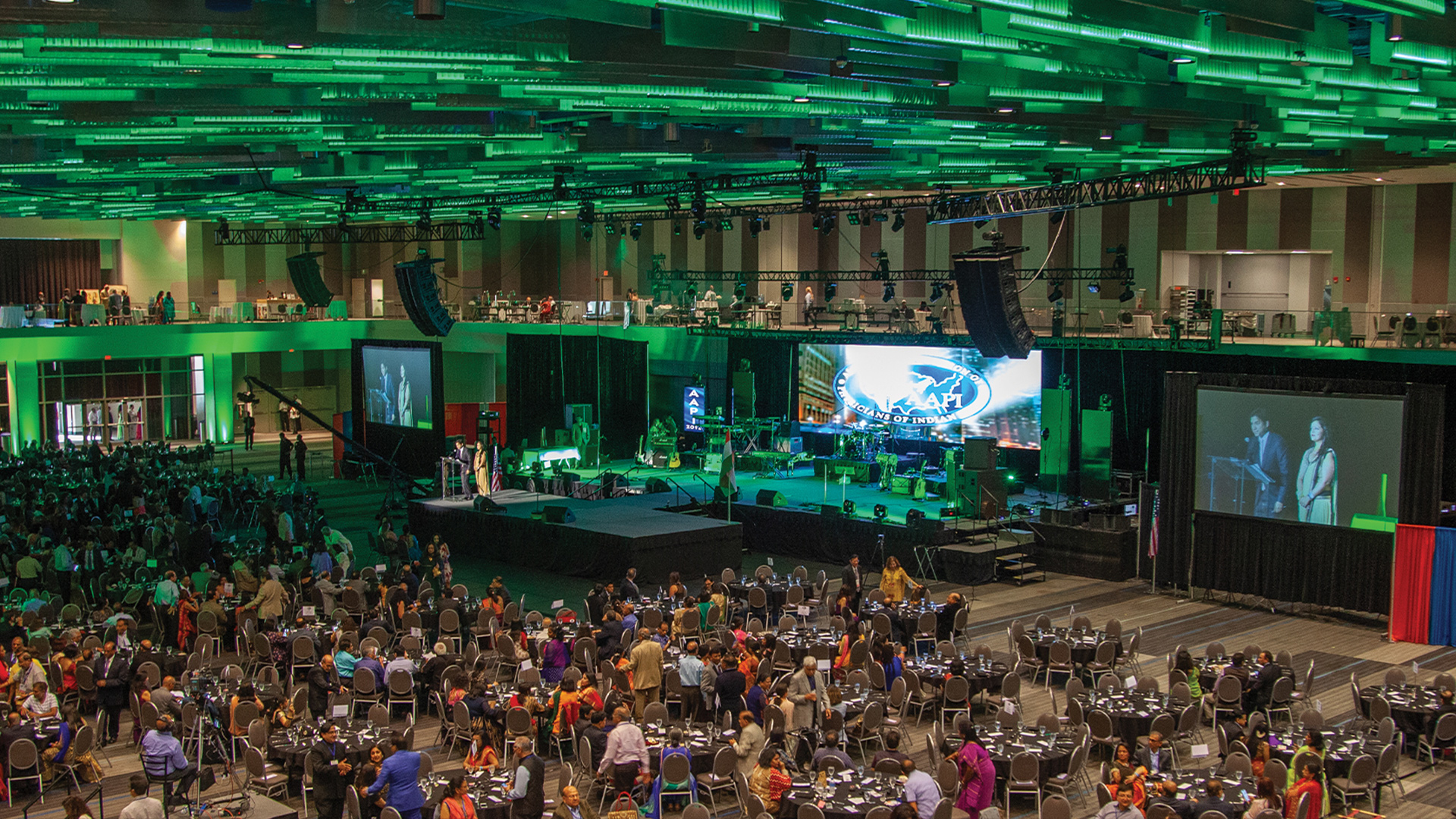
A lighting rig that was perfectly focused during load-in will be imperfectly focused by show time. Stage positions shift, set pieces are moved, talent blocking changes, and the practical reality of a live production environment means that fixtures drift from their programmed positions through cable tension, gravity, and the thermal expansion of yoke components. Focus charts are the professional tool that allows lighting departments to execute rapid focus corrections efficiently, accurately, and without disrupting other departments’ work.
What a Focus Chart Actually Captures
A lighting focus chart documents three things for every fixture in the rig: the physical position of the target that the fixture is focused on, the DMX attribute values (pan, tilt, iris, zoom, focus) that produce the correct output at that position, and the date and time of the most recent confirmed focus check. Professional lighting directors on complex touring productions use software tools like Lightwright 6 — the industry-standard fixture tracking database — to maintain focus documentation that automatically updates when the console programmer modifies a fixture’s plot position, keeping the focus chart synchronized with the production’s evolving technical state.
The Pre-Show Focus Walk Sequence
A structured pre-show focus walk is the lighting department’s equivalent of a flight pre-flight checklist. Starting from a common reference cue — typically a full white wash at 100% intensity — each fixture is individually addressed from the console and its physical aim point confirmed against the focus chart target. Moving head fixtures are called to their stored focus position and visually verified against a stage reference marker: colored floor tape, a marked boom stand, or a positioned set element. Profile fixtures are checked for beam edge definition, gobo registration, and iris accuracy. Discrepancies beyond two degrees of aim point error or visible beam quality degradation are flagged for physical correction before the show.
Digital Focus Annotation in Modern Console Platforms
Modern lighting console platforms have increasingly integrated focus documentation directly into the console workflow, reducing the reliance on external spreadsheet-based focus charts. The MA Lighting grandMA3 and ETC Eos platforms both support fixture annotation systems that allow the programmer to attach text notes and timestamp records to individual fixture fixtures within the patch, creating a console-native focus log that travels with the show file. The Eos Smart Softpatch system further allows the programmer to associate physical position photographs with each fixture position, creating a visual focus reference that is accessible directly from the console screen.
Focus Charts for Corporate One-Day Events
Focus chart discipline is not exclusively the domain of large touring productions — it delivers particularly high value on corporate events and one-day productions where there is limited time between the rig being focused and the client review, and where the cost of a re-focus during a busy show day is measured in client confidence rather than just labor time. A competent lighting director for a corporate event arriving at a hotel ballroom with a focus chart prepared from the pre-production tech drawings can execute a complete focus check of a 60-fixture rig in under ninety minutes, leaving the remainder of the load-in time for programming and systems testing.
