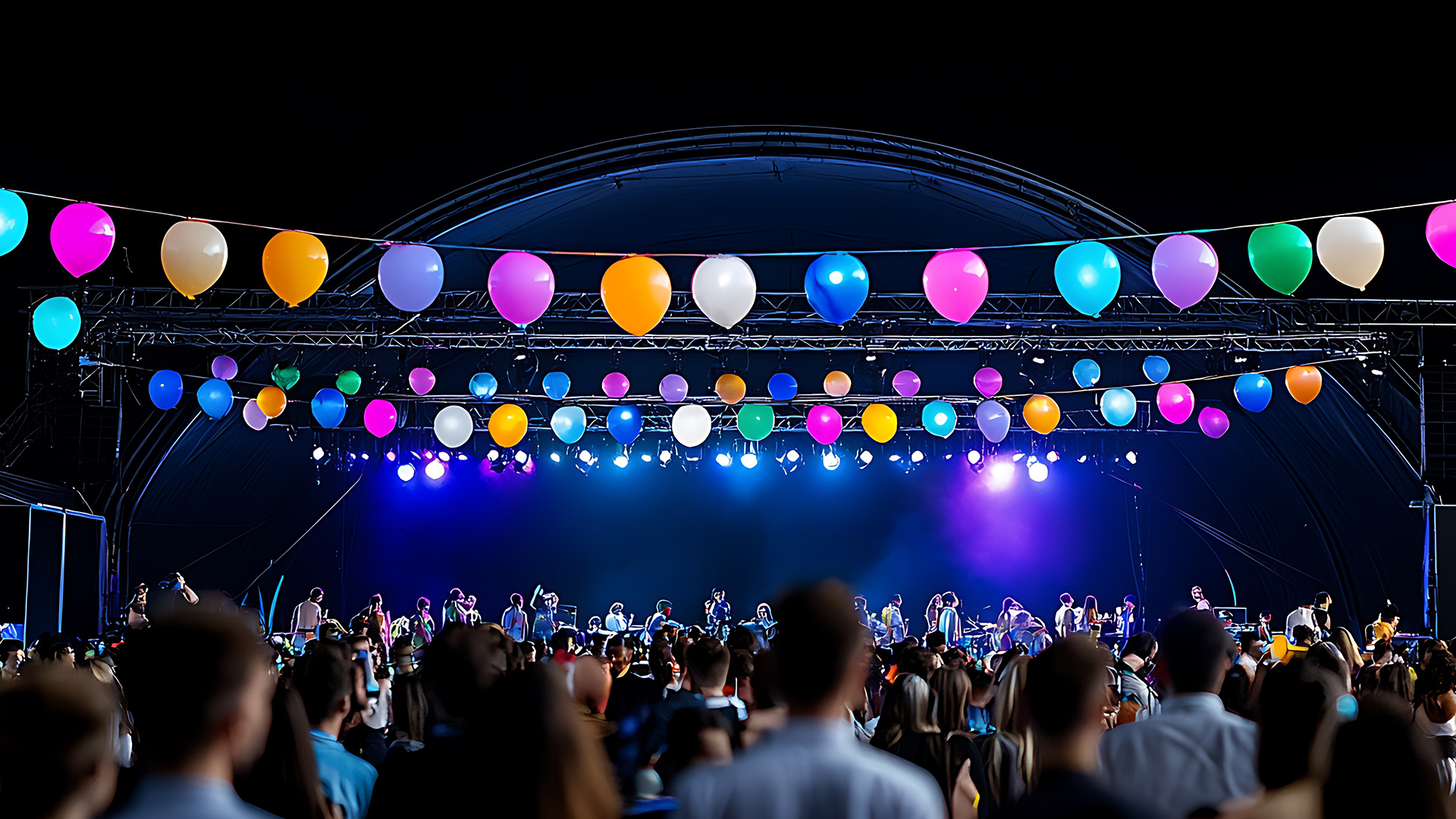
The gap between a camera operator who is technically proficient with their equipment and one who performs at the level required by a large multi-camera live event is wider than most producers appreciate until they see both types working in the same show. Technical proficiency — knowing the camera menu, understanding manual exposure, executing smooth pan and tilt moves — is the baseline, not the ceiling. What transforms a technically capable operator into a live broadcast asset is the ability to anticipate the director’s intent, execute compositional decisions in fractions of a second, maintain awareness of every other camera in the system, and adapt to the chaotic, unpredictable nature of live performance without any of that cognitive load appearing in the frame. This is a trainable skill set — but it requires deliberate, structured training that goes far beyond pointing someone at a camera and saying ‘follow the performer.’
The Director-Operator Relationship: Building Shared Visual Language
The most important relationship in a multi-camera production is between the camera director and the camera operators. The director’s commands — ‘tight on the soloist,’ ‘find a two-shot,’ ‘give me a wide establishing’ — are interpretive instructions, not precise specifications. What ‘tight’ means varies between directors; what constitutes a ‘good two-shot’ is a matter of compositional taste that differs between operators unless explicitly established. The pre-show camera briefing — a structured meeting in which the director reviews the show design, walks through the main camera positions, and explicitly demonstrates the compositional vocabulary they expect — is the investment that pays dividends in every cut of the show. Directors working with unfamiliar camera teams at events like corporate award shows, live concert broadcasts, and conference productions should treat this briefing as non-negotiable, regardless of schedule pressure.
Shot Sheet Design and Position-Specific Briefing
A shot sheet — a printed or digital document listing the expected shots for each camera position in sequence — is the camera operator’s show-specific reference document. Unlike film and scripted television, where shot sheets are written to precise specifications, live event shot sheets are more often compositional guidelines organized by show segment: Camera 1 handles wide establishing and audience reaction; Camera 2 works the performance area in mid and close; Camera 3 roams for colour and cutaways. The shot sheet establishes clear expectations for each position while leaving the operator the creative latitude to execute their shots with genuine craft. StudioBinder and ShotPro both offer digital shot sheet tools that can be distributed to all operators’ tablets before the show, with segment flags that allow operators to navigate to their current show position quickly during fast-moving program sequences.
Reactive vs. Predictive Camera Operation
The distinction between reactive and predictive camera operation is the core skill differentiator in live event camera work. Reactive operation — moving the camera to follow what has already happened — produces footage that is constantly half a beat behind the performance, creating a visual breathlessness that experienced directors can feel immediately in the cut. Predictive operation — anticipating where the performer will move, what the next musical phrase will demand, which instrument the conductor will cue next — allows the operator to be in position for the moment rather than catching up to it. Predictive operation requires rehearsal attendance (watching run-throughs to learn the performance), show content familiarity (knowing the setlist, the speaker order, the choreography beats), and active listening during the show. Camera operators who use earpieces to follow the intercom program feed — rather than relying entirely on their own judgment — consistently deliver better predictive operation than those working in isolation.
Equipment-Specific Training for Live Events
Each camera system used in large multi-camera productions has specific operational characteristics that affect live performance. Sony HDC-3500 and Grass Valley LDX 98 studio systems operate on triax or SMPTE fiber tethers that impose movement constraints the operator must internalize as a second-nature awareness. PTZ (Pan-Tilt-Zoom) remote cameras — Sony SRG-A40, Panasonic AW-UE160 — require operators to develop tracking skill through a joystick controller interface that is fundamentally different from handheld operation. Handheld and ENG-style cameras (Sony PXW-FX9, Canon EOS C500 Mark II) give the operator maximum physical mobility but require the physical stamina and stabilization technique to deliver broadcast-quality footage across a three-hour show. Each of these roles is a distinct operational discipline that benefits from dedicated pre-show training sessions tailored to the specific equipment and show requirements.
The History of Multi-Camera Live Production
The discipline of multi-camera live production has its roots in American network television of the late 1940s and early 1950s, when producers at NBC and CBS pioneered techniques for coordinating multiple camera operators simultaneously on live studio productions. The Kinescope recording system — which allowed live television to be captured on film for subsequent broadcast — created the first archive of multi-camera work from this era, providing the historical record from which modern production practices can trace their lineage. The transition from studio-bound live television to live event broadcast, pioneered in concert films and sports production through the 1960s and 1970s, expanded the camera toolkit from studio pedestals to the handheld and roaming camera positions that define modern live event coverage. Today’s operators are the inheritors of seven decades of accumulated multi-camera craft.
